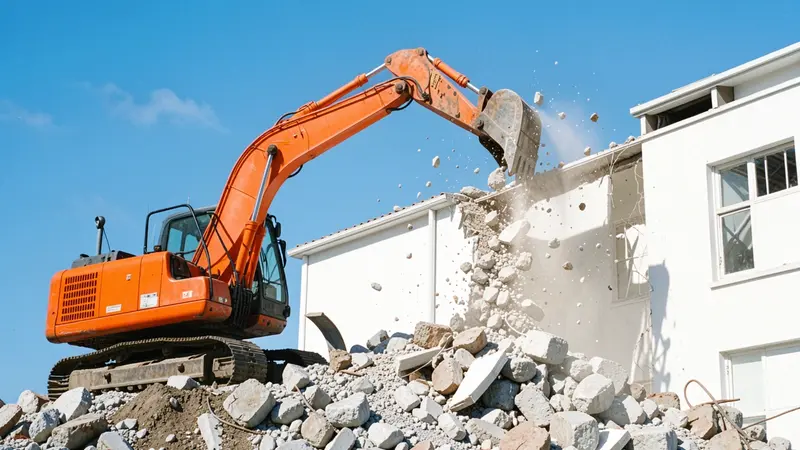
Weekend demolition projects can move quickly. Homeowners may only have two or three days to tear out old materials, clear the work area, and prepare the space for the next phase of renovation. That tight schedule makes waste removal planning especially important. If debris starts piling up in the driveway, garage, yard, or active work area, the project can slow down before the real progress begins.
A weekend project does not need to be large to create a lot of debris. Removing cabinets, flooring, tile, drywall, paneling, old decking, bathroom fixtures, sheds, fencing, or built-in storage can produce more waste than expected. With a clear disposal plan, homeowners can spend less time reacting to mess and more time completing the work they planned to finish.
Start With a Realistic Scope
The first step is being honest about what can actually be demolished over a weekend. Homeowners often plan the project around the main task, such as removing a bathroom, tearing out old carpet, or taking down a small shed. The cleanup, loading, sorting, and final sweep can take just as much planning as the demolition itself.
Before work begins, list every material that will likely come out. That may include drywall, lumber, tile, carpet, underlayment, cabinets, trim, old fixtures, doors, hardware, nails, screws, packaging, insulation, or outdoor debris. A simple list helps reveal whether the project is light cleanup or a heavier removal job.
The goal is not to overcomplicate the weekend. It is to avoid discovering halfway through Saturday that there is nowhere practical for the debris to go.
Arrange Disposal Before Demolition Begins
For a short project, waiting to figure out disposal later can create immediate problems. Once materials are removed, they need a place to go. If there is no container or staging area ready, homeowners may end up creating piles that must be moved again before the project is finished.
Having a dumpster available before demolition starts gives the work a direct flow. Materials come out of the space, move along a planned route, and go straight into the container when appropriate. This reduces double handling and keeps the work zone easier to manage.
Working with a provider such as Temporary Dumpster can help homeowners coordinate dumpster rental timing and placement around a weekend demolition schedule. Having the container ready at the start is often the difference between steady progress and a cluttered, frustrating project.
Choose a Convenient Placement Location
Dumpster placement matters more when time is limited. If the container is too far from the work area, every load takes longer. If it blocks the driveway, garage, sidewalk, or entry path, it can create other frustrations during the weekend.
Homeowners should choose a spot that allows debris to be loaded efficiently without interfering with daily access. Driveways are common placement areas, but the container should leave room for vehicles, tools, material deliveries, or family movement when possible. If the project involves a backyard, side-yard access may also matter.
The best placement shortens the hauling route while keeping the property functional.
Create a Clear Debris Route
A debris route is the path materials take from the demolition area to the dumpster. For indoor projects, this might run through a hallway, garage, side door, or front entry. For outdoor projects, it might run across a patio, driveway, lawn, or walkway.
This route should be cleared before demolition starts. Remove rugs, small furniture, planters, toys, tools, cords, and anything else that could slow movement. If workers will carry heavy or sharp materials through the house, floor protection may be helpful.
A clear route saves time and reduces the risk of damage to areas that are not part of the project.
Sort Materials as They Come Out
Weekend demolition can become messy fast if everything is thrown into one pile. Some materials may be reusable, some may be recyclable, and some may need special handling. Homeowners should sort as they go instead of trying to separate everything late Sunday afternoon.
A simple system works well. Items to keep should be placed far away from the debris area. Donatable or reusable materials should be protected from damage. General demolition debris can move toward the dumpster. Questionable items should be set aside until disposal rules are confirmed.
Sorting does not need to slow the project. It usually saves time by reducing confusion later.
Watch for Heavy Materials
Some demolition debris is heavier than it looks. Tile, plaster, concrete, brick, stone, thick flooring, roofing materials, and old countertops can add weight quickly. A dumpster may still have visible room but already be holding a heavy load.
Homeowners should avoid loading large amounts of dense material without thinking about weight. Heavy debris should be discussed when arranging disposal, especially if the project involves masonry, tile removal, patio removal, or concrete breakup. These materials may need a more careful loading plan than light household renovation debris.
Understanding weight prevents the project from running into avoidable disposal problems.
Keep the Work Area From Filling Up
The fastest way to lose momentum during a weekend project is to let the work area fill with debris. Once the room or yard is crowded, it becomes harder to move, use tools, remove remaining materials, and see what still needs to be done.
Plan cleanup breaks throughout the day. Instead of demolishing for hours and then facing a huge pile, remove and load debris in stages. For example, finish one wall section, cabinet run, floor section, or outdoor area, then clear it before moving on.
This keeps the project safer and makes progress easier to see.
Plan Around Household Access
Many weekend demolition projects happen while people are still living in the home. Family members may need to use the kitchen, bathroom, bedrooms, garage, driveway, or front door while the project is underway. Debris routes should not make the whole house difficult to use.
Homeowners should decide which areas are off-limits and which access points need to stay open. If the project blocks a main entry, use another door for normal household traffic. If demolition affects a bathroom or kitchen, plan around basic daily needs before starting.
Good waste logistics should support the project without making the entire home feel unusable.
Account for Dust, Nails, and Small Debris
Demolition creates more than large pieces. Dust, screws, nails, staples, shards, splinters, tile chips, drywall crumbs, and small scraps can spread quickly. These small items may not fill a dumpster, but they can make the property feel unsafe and disorganized.
Keep a broom, shop vacuum, magnetic sweeper, trash bags, gloves, and sturdy containers available. Pick up sharp and loose material regularly, especially around walking paths and the loading route. Outdoor projects may also need a final pass through grass, gravel, or planting beds to catch small debris.
Small debris control is one of the most important parts of a clean weekend project.
Avoid Blocking the Next Phase
Weekend demolition is often only the first step. The following week may involve contractors, inspections, deliveries, repairs, installation, painting, flooring, or cleanup. If demolition debris remains in the way, the next phase may start late.
Think about what needs to happen after the weekend. If new cabinets, flooring, drywall, fixtures, lumber, or appliances are arriving soon, make sure the delivery area is clear. If a contractor will beginwork Monday, the space should be accessible and ready.
Waste removal should prepare the project for the next step, not leave another obstacle behind.
Use Help Wisely
Weekend demolition is easier with help, but extra people can also create confusion. Everyone should know what materials are being removed, where debris should go, what should be saved, and what areas should stay clear. Without direction, helpers may toss usable items, block paths, or mix materials that should stay separate.
Assign simple roles. One person can remove material, another can carry debris, and another can organize or load. Rotate tasks if the work is physically demanding. Heavy or awkward items should be carried carefully rather than rushed.
A little coordination keeps helpers productive and reduces mistakes.
Build in Time for Final Cleanup
Homeowners often underestimate the final cleanup. Even after the main demolition is finished, the property may still need sweeping, vacuuming, nail pickup, debris loading, tool organization, and a final review of the work area. This can take longer than expected at the end of a busy weekend.
Do not schedule demolition until the last possible hour. Leave time on Sunday for the cleanup reset. The project will feel much more successful if the debris is contained, paths are clear, and the next phase is ready.
Finishing clean is just as important as finishing the tear-out.
Avoid Common Weekend Waste Mistakes
One common mistake is starting demolition before disposal is arranged. This almost always leads to clutter and extra handling. Another mistake is placing the dumpster too far from the work area, which turns every load into a time-consuming trip.
Homeowners should also avoid mixing everything together without thinking. Reusable materials, restricted items, heavy debris, and general waste may need different handling. Finally, do not assume a small project creates a small amount of debris. Demolition often produces more material than expected once walls, floors, cabinets, or outdoor structures come apart.
A better plan keeps the weekend focused and manageable.
Waste removal logistics can determine how smoothly a weekend demolition project goes. Homeowners have limited time, so debris needs a clear path from the work area to disposal. Planning the scope, arranging a dumpster early, choosing smart placement, sorting materials, monitoring heavy debris, and keeping cleanup moving throughout the weekend all help prevent delays.
With the right waste plan, homeowners can keep the project safer, cleaner, and easier to finish. Instead of spending the weekend surrounded by piles of debris, they can make steady progress and leave the space ready for repair, renovation, or installation.