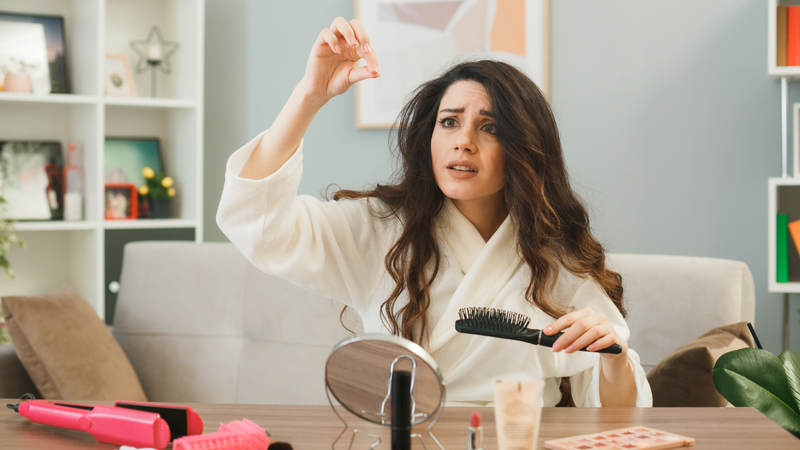
Drying hair is one of those routine tasks most people do on autopilot, yet the method behind it can quietly contribute to dryness, breakage, and split ends over time. Some people reach for a towel and let hair dry naturally, while others use a hair dryer to cut down drying time, lock in a particular style, or simply avoid walking around with wet hair for long stretches. Neither approach is inherently right or wrong—what matters more is how heat, friction, and moisture are managed along the way. Hair type, its current condition, how often someone styles, and plain personal comfort all factor into which routine makes the most sense for a given person.
Why Hair Can Become Damaged During Drying
The structure of the hair shaft
The visible part of hair—the shaft—is made primarily of keratin protein and wrapped in a protective outer layer called the cuticle. When the cuticle lies smooth and flat, hair tends to look shinier and feel softer. Repeated mechanical damage, whether from heat, friction, or rough handling, can lift and roughen this outer layer, leaving hair dull, frizzy, or prone to splitting. It’s worth distinguishing this kind of hair-shaft breakage from hair loss that originates at the follicle beneath the scalp. Everyday drying and styling habits mostly affect the shaft itself rather than causing follicular hair loss directly, though scalp comfort still matters and shouldn’t be brushed aside.
The role of water and friction
Wet hair is more elastic and far more vulnerable to stretching than dry hair, which means it’s easier to damage during this stage. Rubbing hair vigorously with a towel, forcing a brush through tangles, or pulling it into a tight style while still damp all raise the chances of breakage. Reducing friction during this window matters just as much as controlling heat exposure later on.
Choosing Between Air-Drying and Blow-Drying
Air-drying and blow-drying each come with trade-offs rather than one being universally superior. Air-drying skips direct heat altogether, but it takes longer and may not suit every schedule, climate, or hairstyle. Hair left wet for extended periods can also be harder to detangle and manage. Blow-drying, by contrast, shortens drying time and supports certain styles, but high temperatures, holding the airflow too close, or drying for too long can add stress to the hair shaft. The general, evidence-informed takeaway is that lower heat and less frequent heat styling tend to reduce unnecessary wear on hair.
Air-drying: Less direct heat, but may require more time and careful handling while hair remains wet.
Blow-drying: Faster and useful for styling, but requires control of heat, distance, airflow, and duration.
A Lower-Damage Hair-Drying Routine
Remove excess water gently by pressing or blotting hair with a soft towel rather than scrubbing it. The goal is simply to stop the dripping, not to wring hair out. When practical, letting hair partially air-dry before applying heat can shorten the time a heat tool needs to run.
Detangle carefully, starting at the ends and working upward so knots loosen gradually instead of being yanked through all at once. Finger-detangling or a wide-tooth comb often works better on wet hair than a fine brush, though the ideal tool varies by texture and density.
Use the lowest effective heat by starting on a low or medium setting and bumping it up only if truly necessary. A hotter setting doesn’t necessarily dry hair faster, especially if it’s held too close, and it raises the risk of damage. Stop once hair is sufficiently dry rather than continuing until it feels overly hot or brittle, and ease off immediately if the scalp feels uncomfortable.
Keep airflow moving across sections instead of concentrating heat in one spot, and maintain a reasonable distance from the scalp and hair shaft rather than holding the tool directly against it.
Finishing with a cooler setting can help set a style while limiting additional heat, though this step is optional and no guarantee against damage on its own.
Adjusting the Routine for Different Hair Types and Conditions
Fine, fragile, or chemically treated hair generally benefits from shorter drying sessions, lower temperatures, and fewer repeated passes, since bleaching, relaxing, or perming can already weaken the shaft. Curly, coily, or textured hair often fares better with minimal combing and controlled, indirect airflow, sometimes through sectioning or a diffuser if that suits the person’s texture. Thick or dense hair can be divided into manageable sections so no single area takes on excessive heat while the rest waits its turn. For dry or irritated scalps, cutting back on direct scalp heat is wise, and persistent itching, soreness, or unusual shedding should prompt a conversation with a healthcare professional rather than continued home experimentation.
Consider two everyday routines: one where hair is dripping wet, towel-rubbed vigorously, then blasted with high heat held close to a single section; another where hair is blotted, partially air-dried, sectioned, and dried with moving, lower-heat airflow. Over repeated washes, the second approach generally involves less mechanical and thermal stress, even though neither routine produces an obvious, visible difference after just one session.
Heat Protectants and Hair-Care Products
Heat-protective products may reduce surface friction and improve manageability, but they don’t make unlimited heat exposure harmless. Following label directions and applying product evenly matters more than piling on a heavy amount. These products can improve appearance cosmetically, but they don’t reverse existing structural damage, so they work best alongside—not as a substitute for—lower heat and gentler handling.
Common Hair-Drying Mistakes to Avoid
- Starting with maximum heat
- Holding hot airflow in one place
- Drying hair until it feels overheated or brittle
- Rubbing wet hair aggressively with a towel
- Detangling forcefully from the roots downward
- Repeatedly restyling the same section
- Using heat tools daily when a lower-heat option is practical
- Ignoring scalp discomfort or increasing breakage
When Hair Concerns Need Professional Advice
Split ends and roughness usually point to shaft damage, while sudden shedding or thinning can stem from entirely different causes. The American Academy of Dermatology recommends letting hair partially air-dry and limiting heat exposure where practical, and persistent hair loss, scalp pain, inflammation, or rapid changes warrant evaluation by a dermatologist rather than self-diagnosis based on the look of damaged ends. Bringing details about your routine, chemical treatments, medications, and symptom timeline to an appointment helps a professional assess the situation accurately.
Practical Checklist for Healthier Drying
- Blot or press out excess water
- Detangle gently, beginning at the ends
- Allow partial air-drying when possible
- Apply any suitable heat-protective product as directed
- Use the lowest effective temperature
- Keep airflow moving and avoid prolonged contact with one area
- Stop when hair is dry enough to style
- Reduce frequency if breakage, dryness, or scalp discomfort increases
Building a Sustainable Drying Habit
Healthier hair care comes down to reducing cumulative stress rather than chasing one perfect tool or technique. Gentle water removal, limited friction, controlled heat, moving airflow, and attentiveness to warning signs together form a routine that can be adapted to any hair texture, processing history, or schedule. In the end, the most sustainable approach is simply the one that achieves the look you want using the least heat and manipulation necessary.