A big home or garden project is one of the more satisfying things you can take on. Whether it’s a renovation, a major clear-out, or transforming an overgrown garden into something beautiful, there’s real reward in seeing it through. But there’s a side of these projects that rarely gets much thought until you’re in the thick of it, which is the sheer volume of material they produce. Somewhere between the demolition and the finished result sits a mountain of waste, and what you do with it matters more than most people consider.
The easy default is to bundle it all up and send the lot to landfill without a second thought. It’s quick, it’s simple, and it’s what most people do. But a great deal of what comes out of a big project could actually be recovered and recycled rather than buried, and handling it more sustainably is genuinely easier than you might expect. You don’t have to be an environmental warrior or go to enormous lengths, just approach the waste side with a bit of thought. Here’s how to handle a big home or garden project the greener way, keeping material out of landfill without adding hassle to your project.
The Hidden Waste Side of a Big Project
When you picture a home or garden project, you picture the transformation, the new space, the finished garden, and the improved home. What you don’t picture is the waste, and yet it’s an enormous part of the reality. Renovations, clear-outs, and landscaping generate huge volumes of material, often far more than people anticipate, and a surprising proportion of it is stuff that could have a second life rather than ending up in the ground.
Responsible waste management can feel like extra work when you already have a busy project to handle. As a result, many people overlook it. They often throw everything into one pile and send it to a landfill because that seems like the easiest option.
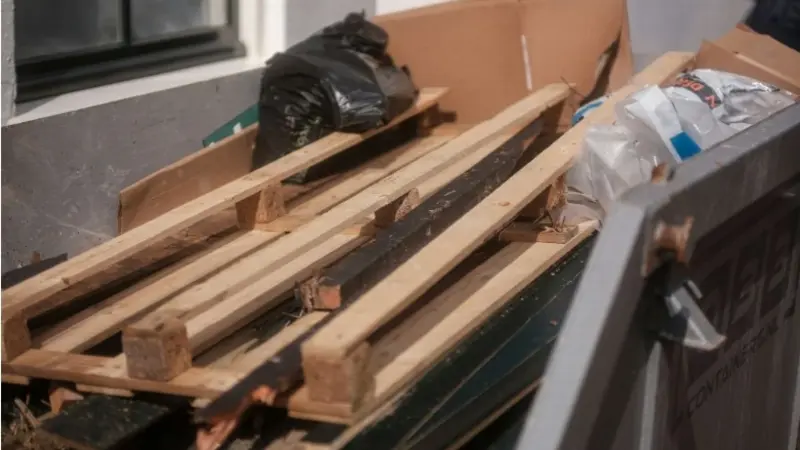
However, projects produce many materials that you can recycle or reuse. These materials include old timber, metal, rubble, garden waste, and items from a clear-out. When you mix everything into one pile, you lose the chance to recover these useful materials.
With a little planning, you can separate project waste and keep more materials out of landfills. This simple step reduces waste and gives valuable materials a better purpose.
Recognizing how much recoverable material a big project actually generates is the first step toward handling it more responsibly.
Sorting Instead of Skipping Everything In
The single most effective thing you can do to make a project greener is beautifully simple: sort your materials as you go rather than throwing everything into one mixed pile. Separate each type of waste as your project progresses to maximize recycling and material recovery. Mixing different materials makes sorting harder and sends more waste to landfills instead of recycling facilities. This simple habit can greatly reduce the amount of waste your project discards and increase the volume of materials that recycling centers can reuse.
In practice, sorting as you work means keeping distinct materials apart so that clean timber, metal, rubble, green waste, and general waste each go to their own place rather than being mixed. It takes only a little organization set up at the start, some designated spots or containers for the different streams, and then it happens naturally as you progress. Sorting materials takes very little extra effort, yet it delivers significant benefits. Recycling facilities can process separated materials more efficiently, and many waste providers charge lower fees for sorted loads. This simple habit supports sustainable project management because proper sorting allows recycling and recovery to happen from the start. Sort as you go, and you’ve done most of the work of a greener project already, without any real added burden.
Moving the Material and Recovering It Together
Sorting is one thing, but a big project also produces heavy, bulky material in volumes that need proper shifting, and this is where the practical and the sustainable can come together nicely. Large projects create two major tasks: removing heavy waste and managing it responsibly. Many people increase their workload when they treat these jobs separately. Instead, combine waste removal with responsible disposal to save time, reduce effort, and keep the entire cleanup process efficient. The solution is to use services that do both at once, shifting the volume and handling the recycling and recovery properly.
This is exactly where tipper hire and recycling Sydney or your local equivalent comes into its own, letting you move the heavy material off your project and have it responsibly processed and recovered in one go, rather than juggling separate arrangements. A service that combines the hauling with proper recycling means you get the practical benefit of shifting large volumes efficiently alongside the environmental benefit of having that material recovered rather than dumped. This approach makes convenience and sustainability work together instead of forcing you to choose between them. You can remove waste efficiently while protecting the environment at the same time. Anyone managing a large project can save time, simplify cleanup, and reduce environmental impact by following this practical method. The process keeps waste under control and makes eco-friendly disposal the easiest choice.
The Payoff of Doing It Properly
Handling your project waste this way isn’t just the right thing to do environmentally; it comes with tangible benefits that make it well worth the small extra thought. The most obvious is keeping material out of landfill, which is a genuine good in itself, reducing the environmental footprint of your project and ensuring recoverable resources are actually recovered rather than buried. For anyone who cares about doing their bit, that’s a meaningful outcome.
There’s often a financial upside too, which surprises people. Recovery and recycling can actually work out cheaper than sending mixed waste to landfill, since sorted material is easier and less costly to process, and landfill disposal frequently carries higher charges. So doing things properly can save you money as well as helping the environment, which is a rare and welcome combination. And beyond the practical benefits, there’s a real satisfaction in knowing your project was handled responsibly, that you didn’t just bury the lot but made the effort to do it well. That sense of having done right by both your home and the wider world adds something to the achievement of the project itself. When you consider that the greener approach can be cheaper, better for the environment, and more satisfying, all for a little extra organization, the case for doing it properly becomes hard to argue with.
Planning Your Project With Waste in Mind
The key to making all of this effortless is to think about the waste side from the very start of your project rather than treating it as an afterthought once the material has piled up. Plan your waste management at the same time you plan your project. Choose a dedicated area for sorting materials, arrange the services needed for collection and recycling, and organize the workflow so responsible waste handling becomes a natural part of the entire project. A little forethought at the beginning makes the sustainable approach the easy, natural one rather than a scramble at the end.
This is really the whole secret to handling a big home or garden project the greener way. It’s not about heroic effort or environmental sacrifice, but about a bit of sensible planning that lets you deal with your waste responsibly without adding hassle. Sort as you go, use services that combine efficient material movement with proper recycling, and think about it all upfront, and you’ll find that the greener path is genuinely no harder than the wasteful one and often better in every respect. Your project deserves careful attention from beginning to end, including the waste it creates. Manage the cleanup responsibly, and you will enjoy a beautiful result with the added satisfaction of knowing you completed the job the right way. When you take care of every detail, you complete the project properly in every way that truly matters.