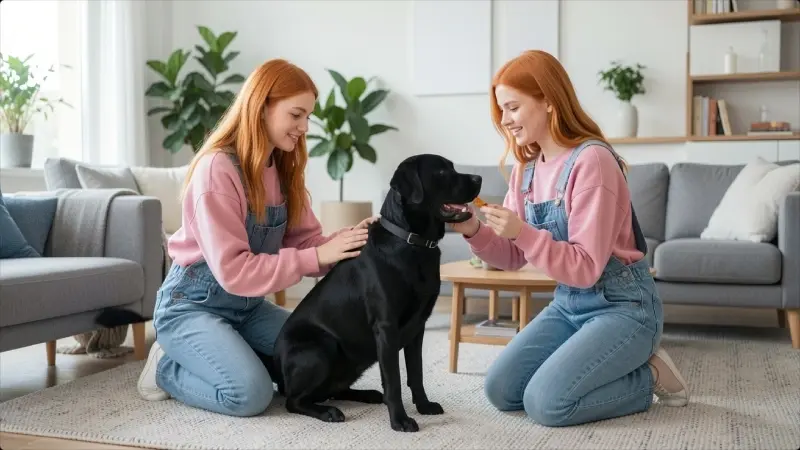
Dogs add happiness, loyalty, and companionship to everyday life. As responsible pet owners, we want to give them the care and attention they deserve. This guide explores practical llblogpet advice for dogs by LoveLolaBlog, covering key areas such as proper nutrition, daily exercise, grooming routines, and emotional health. Whether you have recently welcomed your first dog or have years of experience as a pet parent, these helpful insights can support your dog’s overall well-being and help them live a healthy, fulfilling life.
1. Recognizing Your Dog’s Essential Needs
Although every dog has its own personality and requirements, certain basic needs are important for all breeds. The llblogpet advice for dogs by LoveLolaBlog highlights the importance of understanding your pet’s physical, emotional, and social well-being to help them live a healthy and balanced life.
Physical Requirements: Regular physical activity, nutritious meals, and consistent grooming are essential for maintaining good health.
Emotional Requirements: Dogs need affection, attention, and a strong connection with their family members to feel secure and happy.
Social Requirements: Positive interactions with people and other dogs help build confidence and reduce the risk of fear-based behaviors, stress, and aggression.
2. Key Nutrition Tips for a Healthy Dog
Providing a well-balanced diet is one of the most important ways to support your dog’s health and energy levels. Consider the following recommendations:
Select Quality Dog Food: Look for dog food made with wholesome ingredients and minimal processing. Avoid products that contain excessive fillers, artificial flavors, or unnecessary preservatives. Functional supplements, such as CBD chews for dogs, may also complement a balanced diet by supporting comfort, mobility, and relaxation.
Monitor Serving Sizes: Giving your dog more food than needed can contribute to unhealthy weight gain. Follow feeding guidelines that match your dog’s size, age, and daily activity level.
Ensure Proper Hydration: Clean, fresh water should be available at all times to keep your dog hydrated and healthy.
Address Individual Dietary Needs: Dogs with allergies, sensitivities, or medical conditions may require specialized nutrition plans. Always seek professional veterinary guidance before making major dietary changes.
Healthy treats such as apple slices or carrots can be a nutritious addition to your dog’s routine. According to llblogpet advice for dogs by LoveLolaBlog, the most effective feeding approach is one that is customized to your dog’s breed, age, lifestyle, and overall health requirements.
3. Exercise and Play: Supporting an Active Lifestyle
Regular exercise plays a vital role in maintaining your dog’s overall health, fitness, and mental stimulation. A well-exercised dog is often happier, healthier, and less likely to develop unwanted behaviors.
Regular Walks: Taking your dog for daily walks helps maintain physical fitness and provides valuable opportunities to explore new environments. Most dogs benefit from at least 30 minutes of walking each day.
Engaging Toys: Interactive toys, including puzzle games, balls, and treat-dispensing feeders, can keep your dog mentally challenged and entertained.
Social Activities: Spending time with other dogs through supervised play sessions can improve social skills and provide enjoyable physical activity.
Breed-Specific Exercise: Different breeds have different activity requirements. Larger or high-energy dogs often need more intense exercise, while smaller breeds may do better with shorter but more frequent play periods throughout the day.
Creating an exercise routine that matches your dog’s age, breed, and energy level can contribute significantly to their long-term health and well-being.
4. Grooming Practices for Healthy Skin and a Shiny Coat
Grooming does much more than keep your dog looking clean and well cared for. It also plays an important role in maintaining overall health and identifying potential problems before they become serious.
Regular Brushing: Frequent brushing helps remove loose fur, minimizes shedding, and prevents knots or matting from forming in the coat.
Proper Bathing: Bathe your dog with a shampoo specifically formulated for canine skin. For most dogs, a bath every four to six weeks is usually sufficient.
Nail Care: Keeping nails trimmed helps prevent discomfort, difficulty walking, and potential injuries caused by excessively long nails.
Ear Maintenance: Inspect your dog’s ears regularly for signs of irritation, infection, or excessive wax buildup. Redness, swelling, or unusual odors may indicate a problem that requires attention.
Oral Health: Consistent dental care, including tooth brushing and dental chews, can help reduce plaque buildup and support healthy gums and teeth.
According to llblogpet advice for dogs by LoveLolaBlog, maintaining a consistent grooming schedule not only improves your dog’s comfort but also makes it easier to spot skin conditions, infections, or other health concerns at an early stage.
5. Training and Behavior Management
Proper training helps your dog develop good habits, improves safety, and strengthens the relationship between you and your pet. A well-trained dog is often more confident and easier to manage in different situations.
Teach Essential Commands: Start with fundamental commands such as “sit,” “stay,” “come,” and “leave it.” These commands provide structure and can help keep your dog safe.
Use Positive Rewards: Encourage good behavior by offering treats, affection, or verbal praise. Positive reinforcement helps dogs learn more effectively and creates a more enjoyable training experience.
Maintain Consistency: Establish clear expectations and apply the same rules every day. Consistency helps your dog understand what behaviors are acceptable and reduces confusion.
Seek Expert Assistance When Needed: If your dog struggles with issues such as excessive anxiety, aggression, or other challenging behaviors, working with a qualified trainer can provide valuable guidance and support.
Effective training goes beyond teaching commands. It creates a foundation of trust, improves communication, and helps build a stronger connection between you and your dog.
6. The Importance of Socialization for Dogs
Socialization is a key part of raising a confident and well-behaved dog. Positive exposure to different people, environments, and experiences can help reduce fear-based reactions and encourage balanced behavior.
Early Exposure for Puppies: Introducing puppies to a variety of sights, sounds, people, and animals during their early development can help them become more comfortable and adaptable as they grow.
Gradual Introductions for Adult Dogs: Mature dogs can also benefit from socialization. New experiences should be introduced patiently and at a pace that allows the dog to feel safe and relaxed.
Participate in Group Activities: Training classes and organized dog groups provide excellent opportunities for dogs to interact with others while learning valuable skills in a controlled setting.
According to llblogpet advice for dogs by LoveLolaBlog, early and consistent socialization plays a major role in developing a friendly, confident, and well-adjusted adult dog that can handle new situations with ease.
7. Why Regular Veterinary Checkups Matter
Consistent veterinary care plays a crucial role in maintaining your dog’s long-term health and identifying potential concerns before they become serious. Partnering with a reliable veterinarian can help ensure your dog remains healthy, active, and comfortable throughout every stage of life.
Keep Vaccinations Current: Following the recommended vaccination schedule helps protect your dog from a variety of preventable diseases and infections.
Schedule Routine Health Exams: Regular wellness visits allow veterinarians to monitor your dog’s overall condition and detect developing health issues at an early stage.
Maintain Parasite Protection: Preventative treatments can help safeguard your pet from common parasites such as fleas, ticks, and intestinal worms.
Prioritize Dental Care: Oral health is an important part of overall wellness. Regular dental evaluations can help prevent gum disease, tooth loss, and other related complications.
If you notice unusual changes in your dog’s eating habits, behavior, activity level, or overall condition, it is important to seek veterinary advice promptly. Early intervention can often lead to better health outcomes and improved quality of life.
8. Building a Safe and Comfortable Home for Your Dog
A secure and welcoming environment is essential for your dog’s happiness and overall well-being. Creating the right living space can help your pet feel protected, relaxed, and confident.
Provide a Dedicated Resting Area: Give your dog a comfortable bed, crate, or quiet corner where they can rest and feel secure whenever they need downtime.
Eliminate Potential Dangers: Store household chemicals, medications, electrical cords, and toxic plants in areas that are inaccessible to your pet to reduce the risk of accidents.
Ensure Outdoor Security: If your dog spends time outside, make sure fences, gates, and other barriers are sturdy and secure to prevent wandering or escape.
A comfortable environment is just as important as a safe one. When dogs feel protected and at ease in their surroundings, they are less likely to experience stress and are more likely to display calm, positive behavior.
9. Keeping Your Dog Mentally Engaged
Mental stimulation is a vital part of your dog’s overall well-being. Just like physical exercise, activities that challenge the mind can help prevent boredom and encourage positive behavior.
Use Interactive Toys: Puzzle toys and treat-dispensing games encourage problem-solving and keep dogs entertained while rewarding their efforts.
Practice Fun Training Exercises: Teaching new commands and tricks, such as “roll over,” “shake,” or “fetch,” helps strengthen your dog’s learning abilities and reinforces good behavior.
Refresh Toy Selection: Rotating toys every few weeks can make familiar items feel new again and help maintain your dog’s interest.
Create Enrichment Opportunities: Activities like hiding treats around the house, scent-based games, or simple obstacle courses can provide both mental and physical challenges.
Dogs that receive regular mental stimulation are often more content, focused, and less likely to develop destructive habits caused by boredom or excess energy.
10. Managing Common Health Concerns in Dogs
Being aware of potential health issues and responding quickly can help your dog enjoy a healthier and more comfortable life. Early detection often makes treatment more effective and can prevent minor problems from becoming serious.
Skin Sensitivities and Allergies: Dogs may develop skin irritation due to certain foods, seasonal allergens, or environmental triggers. Monitoring symptoms and identifying the cause can help reduce discomfort.
Weight Management: Excess weight can place additional strain on a dog’s body and increase the risk of other health conditions. A balanced diet combined with regular exercise is essential for maintaining a healthy weight.
Dental Health Problems: Poor oral hygiene can lead to plaque buildup, gum disease, and tooth loss. Consistent dental care, including brushing and dental treats, can help keep your dog’s mouth healthy.
Joint and Mobility Issues: Larger breeds and aging dogs are often more prone to joint-related conditions. Veterinary guidance can help determine appropriate supplements, therapies, or treatment options to support mobility and comfort.
According to llblogpet advice for dogs by LoveLolaBlog, pet owners should closely monitor their dog’s overall condition and seek professional veterinary advice whenever unusual symptoms or health concerns arise.
11. Safe and Stress-Free Travel with Your Dog
Traveling with your dog can be a rewarding experience when you take the necessary steps to ensure their safety and comfort. Proper planning can make the journey more enjoyable for both you and your pet.
Secure Your Dog During Travel: Use a properly fitted safety harness, travel crate, or carrier to keep your dog protected while riding in a vehicle.
Pack Important Essentials: Bring enough food, fresh water, medications, waste bags, and a few familiar toys to help your dog stay comfortable throughout the trip.
Plan Regular Rest Stops: During long drives, schedule breaks so your dog can stretch, exercise, hydrate, and relieve themselves.
Choose Dog-Friendly Locations: Before traveling, research accommodations, parks, and activities that welcome pets to avoid unexpected issues during your stay.
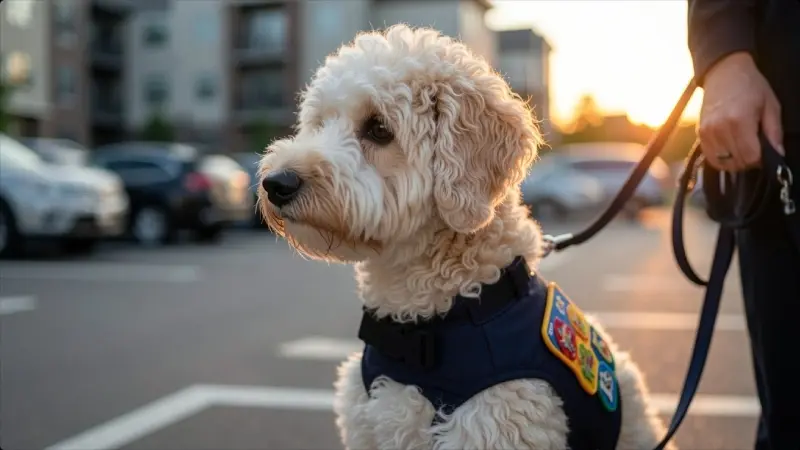
With thoughtful preparation and attention to your dog’s needs, traveling can become a positive and enjoyable experience that creates lasting memories for both of you.
When traveling with your dog, it is important to pack essentials such as food, water, toys, and any necessary medications. In addition to these items, personalized PVC dog tags or pet PVC patches can provide an extra layer of identification and security.
These custom accessories can be designed in various colors, shapes, and styles. You can include important details such as your dog’s name and your contact information. PVC patches can be attached to your dog’s clothing, harness, or travel gear, making them both practical and visually appealing.
Beyond their decorative value, customized PVC patches can help others quickly identify your pet if they become separated from you during a trip. Having visible contact information may increase the chances of a safe and timely reunion. Adding personalized identification accessories to your dog’s travel setup is a simple way to enhance safety while giving your pet a unique and stylish look.
12. Understanding Breed-Specific Care Requirements
Every dog breed has its own characteristics, which can influence its care, lifestyle, and overall needs. Recognizing these differences can help you provide more effective and personalized care for your pet.
Activity Requirements: Energetic breeds often require longer walks, regular exercise, and mentally stimulating activities to stay healthy and satisfied.
Physical Size: Larger dogs typically need more living space, greater food intake, and additional support for joint health, while smaller breeds may have different nutritional and exercise requirements.
Personality Traits: Some breeds are naturally independent and comfortable spending time alone, whereas others prefer frequent interaction and close companionship with their owners.
By adjusting your care routine to match your dog’s breed, size, temperament, and energy level, you can create an environment that supports their physical health, emotional well-being, and overall happiness.
Conclusion
Providing excellent care for your dog requires attention to every aspect of their well-being, including their physical health, emotional comfort, and social development. The llblogpet advice for dogs by LoveLolaBlog emphasizes the importance of a balanced approach that supports your pet throughout every stage of life. By understanding your dog’s unique personality, habits, and needs, you can create a nurturing environment that helps them stay healthy, happy, and well-adjusted. Since no two dogs are exactly alike, adapting your care routine to suit your individual companion is one of the best ways to ensure a long and rewarding life together.
Frequently Asked Questions
1. How frequently should I give my dog a bath?
For most dogs, bathing every four to six weeks is generally sufficient. However, dogs that spend a lot of time outdoors or engage in frequent physical activity may require baths more often.
2. What is the best approach to socializing a timid dog?
Begin with calm, controlled settings and introduce new people, pets, and environments gradually. Patience and positive reinforcement can help build confidence over time.
3. Is homemade food safe for dogs?
Homemade meals can be a healthy option when properly balanced. It is important to ensure your dog receives all essential nutrients, so consulting a veterinarian or canine nutrition expert is recommended.
4. How can I determine whether my dog is overweight?
A simple check is to feel your dog’s ribs. You should be able to feel them without applying significant pressure. For a more accurate evaluation, schedule a veterinary examination.
5. What are common indicators of anxiety in dogs?
Dogs experiencing anxiety may display behaviors such as excessive barking, chewing household items, pacing, shaking, or other signs of distress.
By following the recommendations outlined in llblogpet advice for dogs by LoveLolaBlog, you can support your dog’s overall well-being and create a positive environment where they can thrive. Thoughtful care, proper training, and consistent attention can help your canine companion enjoy a healthy, happy, and fulfilling life.